
Hormonal Acne: Causes,
Symptoms, Treatment & Prevention
Breakouts along the jawline, chin, and neck that seem to follow your cycle aren’t a coincidence — they’re often driven by hormonal activity. Here’s what’s actually happening, and how it’s treated.
Why Hormones Trigger Acne
Hormonal acne is a common type of acne influenced by changes in hormone activity that can increase oil production and contribute to clogged pores and inflammation. It can affect teenagers as well as adults, and many women notice breakouts around their periods or on the lower face, jawline, and neck.
What Is Hormonal Acne?
Hormonal acne refers to acne influenced by hormonal activity, particularly androgens. Androgens can stimulate the skin’s oil glands, increasing sebum production. Hormonal fluctuations can occur during puberty, around menstrual periods, pregnancy, perimenopause, or after changes in hormonal medication.
What Does Hormonal Acne Look Like?
Breakouts that repeatedly occur on the lower face.
Pimples around the chin and jawline.
Acne on the neck.
Deep or tender bumps and nodules.
Breakouts that become more noticeable before or during periods.
Acne that keeps returning despite a consistent skincare routine.
What Causes Hormonal Acne?
Hormonal fluctuations
Changes in hormone levels can stimulate oil production and contribute to blocked pores and inflammation.
Menstrual cycle
Some women notice recurring acne flare-ups before or during their periods.
Puberty
Increased androgen activity during puberty can stimulate sebaceous glands.
Pregnancy & other changes
Hormonal changes during pregnancy, perimenopause, menopause, or changes in hormonal medication can affect acne in some people.
Polycystic ovary syndrome (PCOS)
PCOS can be associated with increased androgen activity and may contribute to acne in some women, but acne alone does not diagnose PCOS.
Hormonal Acne vs Regular Acne
Certain patterns can suggest hormonal involvement, but location and timing alone cannot confirm a diagnosis.
| Hormonal Acne Pattern | Other Acne Patterns |
|---|---|
| Often affects the lower face, chin, or jawline | May appear anywhere acne commonly develops |
| May flare around the menstrual cycle | May not follow a predictable hormonal pattern |
| Can involve deeper, tender lesions | May include blackheads, whiteheads, and superficial pimples |
| May persist into adulthood | Can occur at any age, especially during puberty |
How Is Hormonal Acne Treated?
Treatment depends on age, sex, acne severity, medical history, pregnancy status, other medications, and the type of acne.
Topical treatments
Common first-line options
- Retinoids
- Benzoyl peroxide
- Salicylic acid
- Azelaic acid
- Other prescription topical medications
Hormonal treatment
For persistent, hormonally-driven acne
- For appropriate women with persistent hormonal acne, a dermatologist may consider combined oral contraceptives
- Or spironolactone in select cases
- These are prescription treatments and are not suitable for everyone
Can Skincare Help Hormonal Acne?
Use a gentle cleanser.
Use a non-comedogenic moisturizer.
Use broad-spectrum sunscreen.
Avoid aggressive scrubbing and picking.
How Long Does Treatment Take?
Acne treatment requires patience. Improvement often takes several weeks and sometimes a few months, depending on the treatment and severity.
When Should You See a Dermatologist?
- Acne is deep, painful, or recurring.
- Breakouts repeatedly occur around your periods.
- Acne is leaving scars or persistent dark marks.
- Over-the-counter products have not helped.
- You have other symptoms that may suggest a hormonal condition.
Hormonal Acne — Before & After
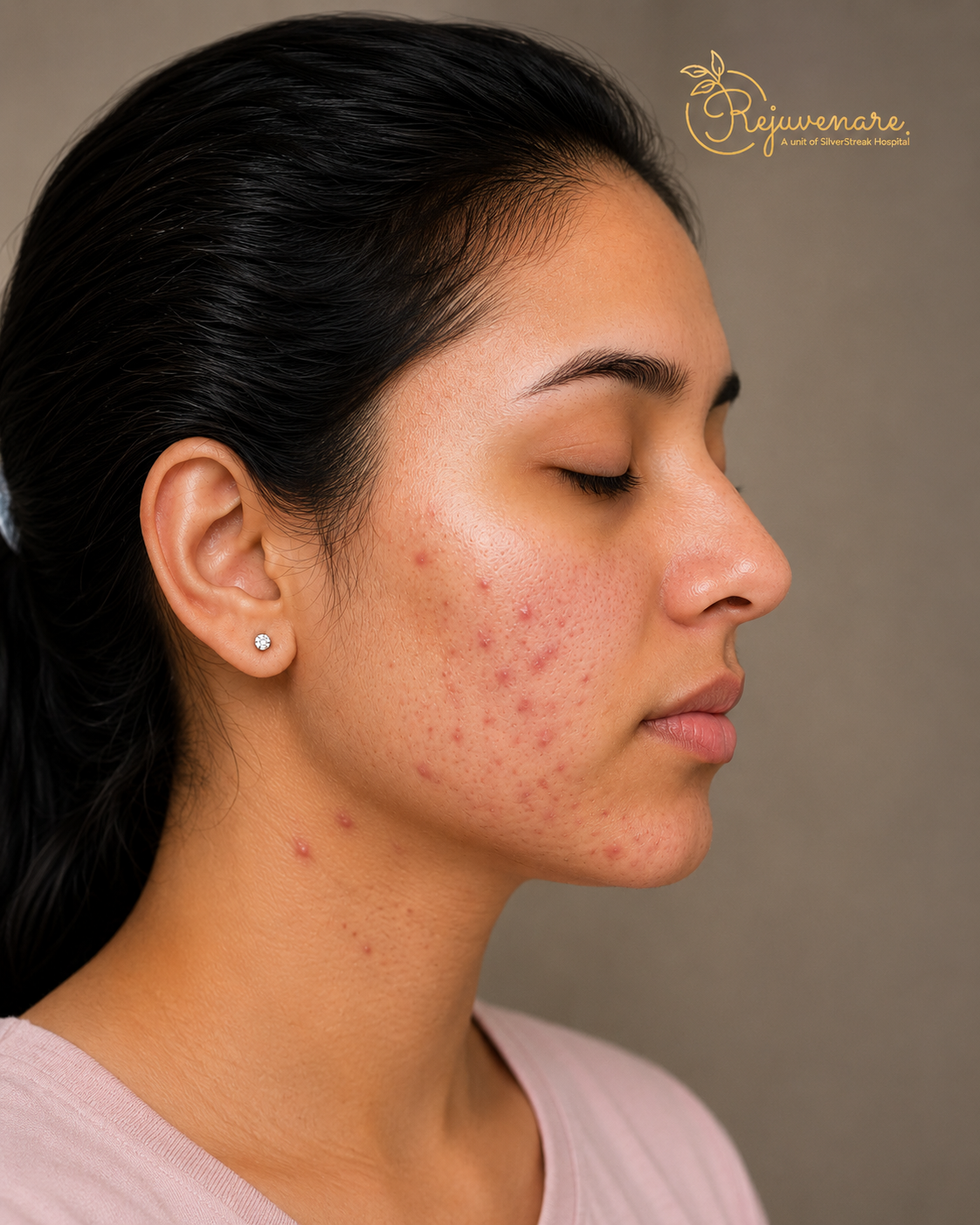
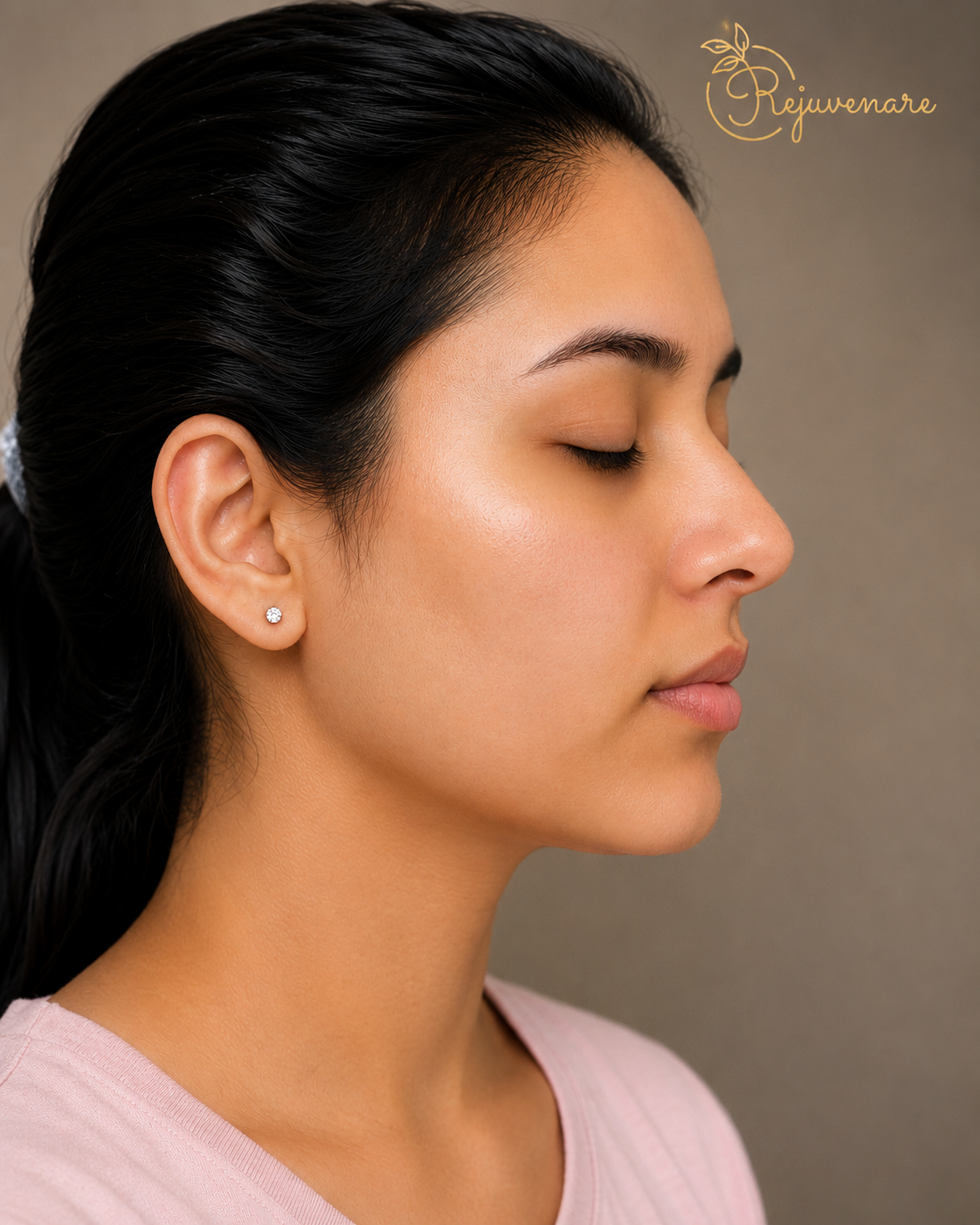
Hormonal Acne Treatment at Rejuvenare Dermatology
At Rejuvenare Dermatology, Gurugram, Dr. Shobhita Gupta and the dermatology team provide personalized acne assessment and treatment based on acne pattern, severity, skin condition, and medical history.
- Sector-87, SilverStreak Multispecialty Hospital, Near Sapphire 90 Mall, Gurugram
- Call or WhatsApp: +91 92540 72619
For the broader acne overview, read Acne: Types, Causes, Treatment & Prevention.
For clinical acne treatment options, see Acne Treatment at Rejuvenare Dermatology.
